
-
Transportation
Strong start, lasting power

Traffic Starter Power Solution
In the field of transportation, starter power is widely used in a variety of outdoor power equipment, such as motorbikes, all-terrain vehicles (ATVs), snowmobiles, etc., to provide strong starting ability and stable power support.OUTDO starter batteries have a number of core advantages, which are able to maintain excellent performance in multiple charge/discharge cycles; high power output ensures that the equipment can be quickly started in harsh environments; in addition, the vibration-resistant design makes them suitable for all kinds of complex road conditions, car models and harsh climates to ensure reliable operation of light vehicles. In addition, the vibration-resistant design of OUTDO starter batteries makes them suitable for all kinds of complex road conditions, car models and harsh climates, ensuring the reliable operation of light vehicles.
MORE

Lightweight Power Battery Solution
OUTDO lightweight power batteries are widely used in light transport vehicles such as two-wheelers, three-wheeled power assisted vehicles and golf carts to provide stable power support. Featuring high energy density and lightweight design, they can extend the range and improve the power performance of vehicles. In addition, OUTDO lightweight power battery has excellent charging and discharging efficiency and low-temperature starting ability, which can maintain stable performance even in cold environments.
OUTDO batteries also have good durability and can withstand frequent use and complex road conditions, suitable for a variety of daily and special application scenarios. Whether in urban commuting or outdoor sports, the lightweight power battery provides an highly efficient and environmentally friendly power solution for two-wheeled vehicles and golf carts, significantly enhancing the user experience.Industrial Applications
Provide sustainable and innovative solutions

Industrial Power Solution
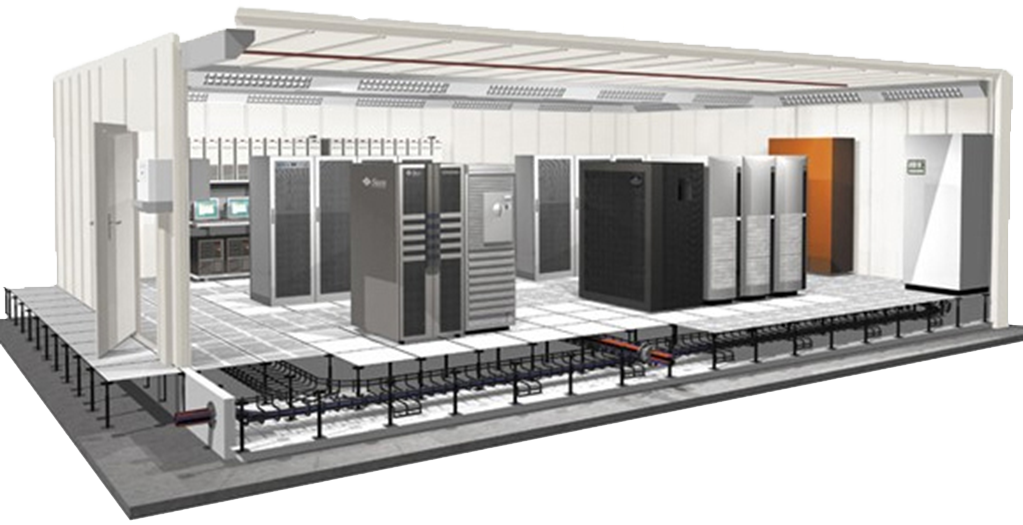
Industrial back-up power solutions are vital to an enterprise's data room, especially when it comes to ensuring the need for continuous, secure power supply. Uninterruptible power supply (UPS) + battery pack, as a commonly used power supply method, guarantees the stable operation of equipment with its unique advantages.UPS provides highly stable voltage and frequency through the combination of advanced pulse width frequency modulation technology and high-efficiency power devices and is able to quickly switch to a backup energy source during an outage in the external power grid to ensure uninterrupted power. Its high-efficiency inverter system isolates interference from the external power grid and reduces waveform distortion, providing better power protection for critical equipment.OUTDO CORP power battery solutions have been used in many national IDC projects around the globe, and are the first choice for the most ideal and secure power supply protection for modern IDC server rooms.

Energy Storage System Solution
The energy storage system provides a stable and efficient power management solution for home/industry and other areas through intelligent energy storage technology, which is especially suitable for homes with integrated solar and other renewable energy sources. The new OUTDO home energy storage system we offer has the advantages of safety, high energy density, long lifetime, innovative design, small footprint, etc. It can be easily installed in indoor garages or other small CBD office areas to achieve intelligent storage and distribution of electricity. When electricity prices are low or PV generation is abundant, the batteries can store excess power and release it during grid peaks or blackouts, ensuring a continuous and stable supply of electricity in multiple areas.
-

<svg t="1709037577113" class="icon" viewBox="0 0 1025 1024" version="1.1" xmlns="http://www.w3.org/2000/svg" p-id="6839" width="200" height="200"><path d="M919.307378 0 104.692622 0C46.925334 0 0 46.812397 0 104.692622L0 919.307378c0 57.880225 46.925334 104.692622 104.692622 104.692622L919.307378 1024c57.880225 0 104.805559-46.755928 104.805559-104.692622L1024.112937 104.692622C1024.112937 46.812397 977.187603 0 919.307378 0zM901.463329 225.478769c0 0-151.617955-55.339142-151.617955 57.259071l0 85.041579 147.891033 0-13.100695 140.493658-134.790339 0 0 478.796515-181.150987 0L568.694386 508.273078 479.925885 508.273078 479.925885 367.77942l88.768501 0L568.694386 282.737841 568.694386 220.001323c0 0-1.863461-114.122863 146.987537-146.987537 104.466748-23.15209 206.053601 10.220801 206.053601 10.220801L901.463329 225.478769z" p-id="6840"></path></svg>
View more<svg t="1709037647549" class="icon" viewBox="0 0 1024 1024" version="1.1" xmlns="http://www.w3.org/2000/svg" p-id="7941" width="200" height="200"><path d="M919.759462 318.994613c0-9.605475-0.184234-19.102577-0.608696-28.534655 41.060787-30.595551 76.68666-68.894629 104.863684-112.720738a403.247526 403.247526 0 0 1-120.68436 33.017692c43.401647-26.708567 76.68666-69.423851 92.415219-120.68436-40.638132 24.645865-85.589515 42.265535-133.383889 51.446549-38.295465-43.575045-92.944441-71.329413-153.358869-72.360764-116.027926-1.918205-210.084998 96.132418-210.084999 218.973404 0 17.460724 1.826088 34.394031 5.451171 50.745736-174.722834-11.243716-329.55016-102.190479-433.116978-239.293373-18.071226 32.847907-28.438925 71.237296-28.438925 112.377556 0 77.811934 37.090717 146.970271 93.44657 187.779994-34.500598-1.560574-66.819283-12.009553-95.166091-29.141545v2.85744c0 108.752474 72.440238 199.870827 168.560013 221.13003-17.621477 5.012259-36.207475 7.62044-55.322696 7.526516a191.542349 191.542349 0 0 1-39.500214-4.325895c26.708567 89.120675 104.332655 154.231274 196.231295 156.400543-71.923659 59.635948-162.525433 95.258208-260.892145 95.00895-16.960401 0-33.720311-1.137918-50.15149-3.200621 93.011271 63.80109 203.418242 100.960443 322.104923 100.960443 386.350343 0.092117 597.636477-336.191629 597.636477-627.962902z" fill="#231815" p-id="7942"></path></svg>
View more<svg t="1709037821478" class="icon" viewBox="0 0 1024 1024" version="1.1" xmlns="http://www.w3.org/2000/svg" p-id="12166" width="200" height="200"><path d="M260.096 155.648c0 27.307008-9.899008 50.516992-29.696 69.632-19.796992 19.115008-45.396992 28.672-76.8 28.672-30.036992 0-54.612992-9.556992-73.728-28.672-19.115008-19.115008-28.672-42.324992-28.672-69.632 0-28.672 9.556992-52.224 28.672-70.656 19.115008-18.432 44.372992-27.648 75.776-27.648 31.403008 0 56.32 9.216 74.752 27.648 18.432 18.432 28.331008 41.984 29.696 70.656 0 0 0 0 0 0m-202.752 808.96c0 0 0-632.832 0-632.832 0 0 196.608 0 196.608 0 0 0 0 632.832 0 632.832 0 0-196.608 0-196.608 0 0 0 0 0 0 0m313.344-430.08c0-58.708992-1.364992-126.292992-4.096-202.752 0 0 169.984 0 169.984 0 0 0 10.24 88.064 10.24 88.064 0 0 4.096 0 4.096 0 40.96-68.267008 105.812992-102.4 194.56-102.4 68.267008 0 123.220992 22.868992 164.864 68.608 41.643008 45.739008 62.464 113.664 62.464 203.776 0 0 0 374.784 0 374.784 0 0-196.608 0-196.608 0 0 0 0-350.208 0-350.208 0-91.476992-33.451008-137.216-100.352-137.216-47.787008 0-81.236992 24.576-100.352 73.728-4.096 8.192-6.144 24.576-6.144 49.152 0 0 0 364.544 0 364.544 0 0-198.656 0-198.656 0 0 0 0-430.08 0-430.08 0 0 0 0 0 0" fill="#272636" p-id="12167"></path></svg>
View more<svg t="1709037745931" class="icon" viewBox="0 0 1024 1024" version="1.1" xmlns="http://www.w3.org/2000/svg" p-id="10005" width="200" height="200"><path d="M512 359.657143c-83.885714 0-152.342857 68.457143-152.342857 152.342857S428.114286 664.342857 512 664.342857 664.342857 595.885714 664.342857 512 595.885714 359.657143 512 359.657143zM968.914286 512c0-63.085714 0.571429-125.6-2.971429-188.571429-3.542857-73.142857-20.228571-138.057143-73.714286-191.542857-53.6-53.6-118.4-70.171429-191.542857-73.714285-63.085714-3.542857-125.6-2.971429-188.571428-2.971429-63.085714 0-125.6-0.571429-188.571429 2.971429-73.142857 3.542857-138.057143 20.228571-191.542857 73.714285C78.4 185.485714 61.828571 250.285714 58.285714 323.428571c-3.542857 63.085714-2.971429 125.6-2.971428 188.571429s-0.571429 125.6 2.971428 188.571429c3.542857 73.142857 20.228571 138.057143 73.714286 191.542857 53.6 53.6 118.4 70.171429 191.542857 73.714285 63.085714 3.542857 125.6 2.971429 188.571429 2.971429 63.085714 0 125.6 0.571429 188.571428-2.971429 73.142857-3.542857 138.057143-20.228571 191.542857-73.714285 53.6-53.6 70.171429-118.4 73.714286-191.542857 3.657143-62.971429 2.971429-125.485714 2.971429-188.571429zM512 746.4c-129.714286 0-234.4-104.685714-234.4-234.4S382.285714 277.6 512 277.6 746.4 382.285714 746.4 512 641.714286 746.4 512 746.4z m244-423.657143c-30.285714 0-54.742857-24.457143-54.742857-54.742857s24.457143-54.742857 54.742857-54.742857 54.742857 24.457143 54.742857 54.742857a54.674286 54.674286 0 0 1-54.742857 54.742857z" p-id="10006"></path></svg>
View more<svg t="1734743183044" class="icon" viewBox="0 0 1024 1024" version="1.1" xmlns="http://www.w3.org/2000/svg" p-id="4454" width="200" height="200"><path d="M832 128l-640 0c-105.59488 0-192 86.40512-192 192l0 384c0 105.59488 86.40512 192 192 192l640 0c105.59488 0 192-86.40512 192-192l0-384c0-105.59488-86.40512-192-192-192zM384 768l0-512 320 256-320 256z" fill="#d81e06" p-id="4455"></path></svg>
View more






Battery Types Guide - Classification and Applications
Release time:
2025-11-24
Share:
Battery types come in many forms, designed for everything from phones and power tools to cars and large energy systems. This report first looks at how batteries are used in different fields, then breaks them down by chemistry, design, safety, and standards to help you easily understand today's wide range of battery technologies.

Part One: Battery Types for Different Applications
This section examines how battery types are chosen for different applications — from everyday electronics to transportation and large-scale power systems.
1. Types of Battery for Consumer Electronics
Consumer electronics cover a wide range of devices, from household gadgets to portable computing equipment, leading to diverse battery demands.
1.1 Low-Drain Devices Battery Types
Used in products like remote controls or clocks, these batteries deliver steady, low power over long periods.
- Application Scenarios: TV remotes, clocks, smoke detectors, kitchen timers, and bathroom scales.
- Core Requirements: These devices consume very little power but need to operate continuously or remain on standby for long periods. Therefore, the core requirements for batteries are extremely low self-discharge rates and a very long shelf life.
- Recommended Battery Types:
- Alkaline Batteries: The top choice in this category. Alkaline batteries are economical, widely available, and have a shelf life of 5-10 years, making them ideal for these "set it and forget it" applications.
- Carbon-Zinc Batteries: As a cheaper alternative, carbon-zinc batteries can also be used for these devices, but they have lower energy density and a shorter shelf life of only 2-3 years.
1.2 High-Drain Devices Battery Types
These batteries power devices such as cameras or toys that need quick bursts of higher energy output.
- Application Scenarios: Digital cameras, high-performance flashlights, motorized toys, and portable gaming consoles.
- Core Requirements: These devices need to output a strong current (high-rate discharge) over a short period without a significant voltage drop.
- Recommended Battery Types:
- Single-Use Lithium Batteries: They have the highest energy density of all single-use batteries, are lightweight, and perform exceptionally well in extreme temperatures. They can provide long-lasting and stable power for high-drain devices.
- Lead-Acid Batteries: For certain outdoor or high-power applications, lead-acid batteries can still be a practical choice where safety, durability, and temperature tolerance are more important than energy density—conditions where lithium batteries may not always perform optimally.
- NiMH Rechargeable Batteries: As a rechargeable option, NiMH batteries (especially low self-discharge models) are an excellent alternative to alkaline batteries. They can handle high current draw more effectively than alkaline batteries and can be recharged hundreds of times.
- NiCd Rechargeable Batteries: Although largely phased out due to the toxic cadmium they contain, NiCd batteries were once a popular choice for high-drain devices like power tools due to their extremely low internal resistance and ability to charge and discharge rapidly.

1.3 Portable Computing and Communication Devices Battery Types
Laptops, tablets, and smartphones require rechargeable batteries with high energy density and fast-charging capability.
- Application Scenarios: Smartphones, laptops, tablets, and drones.
- Core Requirements: To pack the maximum amount of energy into the smallest and lightest possible volume (i.e., the highest energy density) to achieve the longest possible battery life.
- Recommended Battery Types:
- Lithium-ion (Li-ion) and Lithium-polymer (Li-Po) Batteries: These two technologies almost completely dominate this market. They feature excellent energy density, low self-discharge rates, and no memory effect. Li-Po batteries, in particular, use a polymer electrolyte that allows them to be made into flexible soft-pack shapes, maximizing the use of irregular internal space in devices.
2. Types of Battery for Automotive and Transportation
Vehicle batteries must provide reliability, durability, and power under demanding operating conditions.
2.1 Starting, Lighting, and Ignition (SLI) Battery Types
SLI batteries supply short, strong bursts of power to start engines and support vehicle electronics.
- Application Scenarios: 12V starting batteries for motorcycles, cars, and trucks.
- Core Requirements: To deliver a massive burst of current for a short period to start the engine, while also being highly reliable and cost-effective.
- Recommended Battery Types:
- Lead-Acid Batteries: This is one of the oldest and most mature rechargeable battery technologies. Despite its low energy density, it remains the undisputed leader in SLI applications due to its unbeatable low cost, high reliability, and powerful instantaneous discharge capability.
- Sodium-Ion Batteries: Offering high energy density and lighter weight, sodium-ion batteries can operate effectively at low temperatures and come at a price comparable to high-performance lead-acid batteries, making them a promising alternative for SLI applications.

2.2 Electric Vehicles (EVs) Battery Types
EV batteries store large amounts of energy, ensuring long driving range, high efficiency, and fast recharging.
- Application Scenarios: Pure electric vehicles, plug-in hybrid electric vehicles.1
- Core Requirements: Extremely high energy density (determines range), high power density (determines acceleration), very long cycle life, high safety, and continuously decreasing costs.
- Recommended Battery Types:
- Lithium-ion Battery Family: This is the core technology for the EV market, further subdivided by cathode chemistry.
- NMC (Nickel Manganese Cobalt) and NCA (Nickel Cobalt Aluminum): Offer extremely high energy density and are the preferred choice for long-range, high-performance EVs.
- LFP (Lithium Iron Phosphate): Has slightly lower energy density but offers unparalleled safety and an exceptionally long cycle life, making it increasingly popular for standard-range models and commercial vehicles.
- Emerging Technologies:
- Lithium-Sulfur and Lithium-Metal Batteries: These next-generation technologies promise to nearly double energy density and are key research directions for achieving longer driving ranges.
- Lithium-ion Battery Family: This is the core technology for the EV market, further subdivided by cathode chemistry.
2.3 Battery Types for Light Means of Transport
These are built for repeated discharge and recharge cycles, ideal for E-bikes, golf carts, marine use, and mobility vehicles.
- Application Scenarios: Golf carts, marine auxiliary power, RVs, and electric wheelchairs.
- Core Requirements: The ability to provide a steady power output for long periods and to withstand repeated deep discharge and recharge cycles.
- Recommended Battery Types:
- Deep-Cycle Lead-Acid Batteries: Traditionally, this has been the most cost-effective option in this category, and remain a practical choice for e-bikes due to their safety and affordability.
- Lithium-ion Batteries (especially LFP): Lithium-ion batteries were once a popular choice in this area due to their longer cycle life, lighter weight, but their high cost and safety concerns have led the market to shift toward lead-acid batteries.
- Sodium-ion Batteries (Na-ion): Sodium-ion batteries are emerging as a promising alternative for light means of transport. Compared to lithium-ion batteries, they have a more stable chemistry, effectively reducing the risk of fire or thermal runaway. They also offer a longer cycle life and lighter weight than lead-acid batteries.
As the market develops, sodium-ion batteries are expected to become a safe and reliable replacement for lithium-ion batteries in e-bikes, golf carts, RVs, electric wheelchairs, and other light mobility vehicles.

3. Types of Battery for Industrial, and Grid-Scale Applications
Beyond the consumer and transportation sectors, batteries also play a role in many critical professional and industrial fields.
3.1 Medical Devices Battery Types
Medical-grade batteries ensure reliable, long-lasting power for equipment where safety and precision are critical.
- Application Scenarios: Hearing aids, pacemakers, portable medical monitors.
- Core Requirements: Extremely high reliability, long life, and energy density.
- Recommended Battery Types:
- Zinc-Air Batteries: Utilize oxygen from the air for their reaction, giving them a very high energy density, making them the ideal power source for hearing aids.
- Silver-Oxide Batteries: Primarily used in button cells for watches and calculators, providing a stable voltage and long operating life.
- Single-Use Lithium Batteries: Used in implantable devices like pacemakers, where their ultra-long life and high reliability are critical.
3.2 Power Tools Battery Types
Power tool batteries focus on high current output, quick recharge, and rugged durability.
- Application Scenarios: Cordless drills, saws, and garden tools.
- Core Requirements: High power output, fast charging capability, and durability.
- Recommended Battery Types:
- Lithium-ion Batteries (especially NMC): Have become the standard for modern power tools due to their high-power density and good energy density.
- Lead-Acid Batteries: Although heavier and with lower energy density, lead-acid batteries are still used in certain power tools where cost-effectiveness and robustness are prioritized
3.3 Grid-Scale Energy Storage Battery Types
Large storage systems use advanced batteries to balance supply and demand, support renewable energy, and stabilize power grids.
- Application Scenarios: Storing renewable energy like solar and wind, maintaining grid stability, and providing backup power.
- Core Requirements: Ultimate safety, extremely long cycle life (thousands or even tens of thousands of cycles), and the lowest possible lifetime cost. In this application, the battery's volume and weight (energy density) are usually not primary constraints.
- Recommended Battery Types:
- Lithium-ion Batteries (especially LFP): LFP batteries currently dominate the grid storage market due to their excellent safety and long life.
- Flow Batteries: Such as vanadium redox flow batteries, their energy and power can be scaled independently, making them ideal for long-duration energy storage applications.
- Sodium-ion Batteries: As an emerging technology, sodium-ion batteries use abundant and inexpensive sodium, offering huge potential in terms of cost and supply chain security, making them a major future competitor in grid storage.
- Other Technologies: Lead-acid and zinc-based batteries (like zinc-air, zinc-manganese oxide) are also being explored and used in specific grid applications due to their low cost and mature technology.

3.4 UPS and Critical Backup Battery Types
UPS systems are crucial for medical equipment, data centers, telecom base stations, and other critical infrastructure where safety and reliability are paramount.
- Application Scenarios: Hospitals, server rooms, telecom stations, and emergency backup systems.
- Core Requirements: Extremely high reliability, robust safety under all conditions, and instantaneous backup power delivery.
- Recommended Battery Types:
- Lead-Acid Batteries (especially VRLA / AGM / Gel): The industry-standard solution for UPS and critical backup applications. Widely adopted due to their proven reliability, mature technology, and robust safety record, lead-acid batteries ensure continuous operation during power outages and can withstand repeated charge-discharge cycles.
- Sodium-Ion Batteries: As an emerging technology, sodium-ion batteries have already entered commercial use in industrial and stationary storage applications. They offer potential for future UPS deployment due to lower cost, abundant raw materials, thermal stability, and excellent adaptability to both low and high temperatures.
Battery Type Chart for Different Applications
|
Application Category |
Core Requirements |
Primary Recommended Battery Technologies |
|
1.1 Low-Drain Devices |
Very low self-discharge, long shelf life |
Alkaline, Carbon-Zinc |
|
1.2 High-Drain Devices |
High current output over short periods, stable voltage, durability |
Single-Use Lithium, Lead-Acid, NiMH, NiCd |
|
1.3 Portable Computing & Communication |
Highest energy density, lightweight, fast charging |
Lithium-ion (Li-ion), Lithium-polymer (Li-Po) |
|
2.1 SLI Batteries |
Short, strong bursts of current to start engines, high reliability, cost-effective |
Lead-Acid, Sodium-Ion Batteries |
|
2.2 EV Batteries |
Extremely high energy density (range), high power density (acceleration), long cycle life, safety, decreasing cost |
Lithium-ion: NMC & NCA, Lithium-ion: LFP, Lithium-Sulfur & Lithium-Metal |
|
2.3 Deep-Cycle Applications |
Steady power output, repeated deep discharge/charge cycles |
Deep-Cycle Lead-Acid, Lithium-ion (especially LFP), Sodium-ion Batteries |
|
3.1 Medical Devices |
Extremely high reliability, long life, energy density |
Zinc-Air, Silver-Oxide, Single-Use Lithium |
|
3.2 Power Tools |
High power output, fast charging, durability |
Lithium-ion (especially NMC), Lead-Acid |
|
3.3 Grid-Scale Energy Storage |
Ultimate safety, extremely long cycle life, lowest lifetime cost |
Lithium-ion (especially LFP), Flow Batteries, Sodium-Ion, Other Technologies (Lead-Acid, Zinc-based) |
|
3.4 UPS & Critical Backup |
Extremely high reliability, robust safety, instantaneous backup power |
Lead-Acid (VRLA/AGM/Gel), Sodium-Ion |
Part Two: Battery Types Classified Across Multiple Dimensions
Battery Types By Chemistry
This is the most fundamental classification, directly determining a battery's energy density, power, lifespan, and cost.
- Lead-Acid Battery: The oldest and most mature rechargeable technology. It is reliable and economical, forming the cornerstone of Starting, Lighting, and Ignition (SLI) applications for traditional cars and motorcycles.
- High-Performance Lead-Acid Battery: Optimized plate design and materials provide higher cranking power and longer cycle life. For example, in the motorcycle world, it's ideal for mid-to-large displacement or high-load models.
- Lithium-ion Battery: The benchmark of modern battery technology, known for being lightweight, having high energy density, and fast-charging capabilities. It delivers an excellent power-to-weight ratio and a long lifespan, making it perfect for premium electronics, electric vehicles, and high-performance or electric motorcycles.
- Sodium-ion Battery: An emerging technology that uses abundant and inexpensive sodium. It is lightweight, stable at high temperatures, and has strong deep-discharge capabilities, making it suitable for electric motorcycles, portable energy storage, and cost-sensitive high-performance applications.
- Nickel-Based Batteries (NiCd & NiMH): Nickel-cadmium (NiCd) and nickel-metal hydride (NiMH) were the mainstream rechargeable batteries before the widespread adoption of lithium-ion technology. NiMH batteries are more environmentally friendly than NiCd and have a higher energy density, commonly found in consumer-grade rechargeable batteries and early hybrid vehicles.
Battery Types By Activation
This classification mainly applies to certain types of batteries, describing their state at the time of shipping.
- Factory Activated Battery: The battery is filled with electrolyte, sealed, and charged at the factory. The user can install and use it immediately, making it completely maintenance-free. Many Valve-Regulated Lead-Acid (VRLA) motorcycle batteries are sold this way.
- Dry Charged Battery / Without Electrolyte: The battery is shipped without electrolyte in a "dormant" state. The user or dealer must add electrolyte to activate the battery before use. This method extends the battery's storage life.
Battery Types By Electrolyte
The electrolyte is the medium for ion transport inside the battery, and its form affects performance and safety.
- Flooded Battery (Liquid Electrolyte): Traditional liquid electrolyte batteries, like standard lead-acid batteries, where the electrodes are fully submerged in liquid.
- Gel Battery (Silica Gel Electrolyte): The electrolyte is turned into a gel-like substance by adding silica. This design improves the battery's vibration resistance and low-temperature performance. In motorcycle applications, gel batteries can better handle rough road conditions.
- AGM Battery (AGM Electrolyte Storage Technology): AGM (Absorbent Glass Mat) technology absorbs the electrolyte in a superfine fiberglass mat. This lowers internal resistance and significantly enhances high-rate discharge capability and performance, making it the top choice for high-performance motorcycles and automotive start-stop systems.
Battery Types By Integrated Electronic Module
Modern batteries often integrate electronic modules to monitor and manage their status.
- None: Traditional batteries without any status indication features.
- Intelligent Battery: Uses simple LED lights (often multi-colored) to show the approximate charge level or status (e.g., charging, full, low battery).
- Digital Screen Battery: A more advanced configuration that uses a small digital display to show precise information like remaining capacity percentage, voltage, and health status.

Battery Types By Temperature Adaptability
Battery performance is significantly affected by temperature, so they can be optimized for specific climates.
- Cold-Climate Battery: Features a high Cold Cranking Amps (CCA) design and an optimized electrolyte formula to ensure reliable starting performance in low-temperature environments. This is crucial for motorcycles and cars in cold regions.
- Tropical-Climate Battery: Features enhanced heat resistance in its casing and a special design to reduce electrolyte evaporation at high temperatures, thereby extending its service life in hot regions.
Emerging chemistries such as sodium-ion batteries also show excellent adaptability to both low- and high-temperature environments.
Battery Types By Maintenance
- Maintenance Free Battery (MF): A sealed design that does not require checking the fluid level or adding distilled water during its normal service life. The vast majority of modern batteries, including lead-acid batteries (AGM, Gel), li-ion and Na-ion batteries, fall into this category.
- Requires Distilled Water: Traditional flooded lead-acid batteries lose water through electrolysis during use and require periodic refilling with distilled water through filler caps.
Battery Sizes and Other Parameters
These parameters are the most direct criteria for selecting and matching a battery.
- Dimensions: The length, width, and height of the battery determine if it can be installed in the designated space. For example, motorcycle battery compartments have limited space, making a size match critical.
- Voltage: The nominal voltage of the battery must match the electrical system of the device. Common voltages include 6V (for older vehicles) and 12V (the standard for modern cars and motorcycles). Consumer electronics have various specifications like 1.5V, 3V, etc.
- Capacity (Ah): Measured in Ampere-hours (Ah), this indicates how long a battery can deliver a specific current and is a key measure of its energy storage capability. For motorcycles, as an example:
- 5–10Ah: Suitable for small commuter scooters.
- 10–20Ah: Fits mid-displacement street bikes.
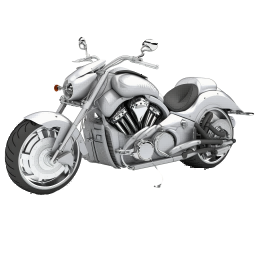
- 20–40Ah: For large cruisers or custom bikes requiring high power.
Capacity ranges are indicative; actual battery sizes may vary depending on manufacturer and model.
- Terminal Type: The shape and style of the battery's positive and negative posts. Must match the cable connectors of the vehicle or device.
- Polarity: The relative position of the positive and negative terminals. The wrong position may result in cables being too short or impossible to install.
- CCA (Cold Cranking Amps): A measure of a battery's ability to start an engine in cold temperatures (typically 0°F / -18°C). The higher the CCA value, the better the cold-starting performance. For example, in motorcycles:
- Economy Range (20–120A): For small displacement motorcycles.
- High Performance Range (270–400A): For large cruisers or cold-climate applications.
Battery Types By Model
Many batteries are designed as replacement batteries for specific devices. For example, motorcycle batteries are often categorized by bike brand and model, making it easy to find the right one. You can use our Motorcycle Battery Finder to quickly locate the correct battery by entering your bike’s brand, year, and model. Similarly, there are replacement batteries for phones from Apple, Samsung, and other brands.
FAQ
Zhangzhou Huawei Power Supply Technology Co., Ltd.
Related link:
Official Account
We use optional cookies to improve your experience on our website through social media connections and other means, and place personalized advertisements based on your online activities. If you reject the optional cookies, we will only use the necessary cookies to provide you with the service. Privacy Statement